Indian Bus Market and Product Analytics is a unique analytics that covers various aspects of buses and Bus models. The Bus Industry registered 5.5% growth in FY 2026, the slowest since the COVID-19 pandemic. One of the key drivers of Bus growth is that bus passengers prefer to take new Buses. There is pressure on the Bus fleet owner to buy the new buses to attract the passengers and Bus drivers.
The Bus application is the backbone of the Indian Bus Industry, and mapping it to models provides a complete picture. The Bus fleet operators and passengers are also key stakeholders of the Indian Bus Industry.
SnapShot: Indian Bus Market & Product Analytics
Indian Bus Market Tracker:
Monthly, Quarterly, and Annual Tracker:
Electric bus manufacturers such as JBM, Olectra, PMI, and Switch Mobility recorded strong growth in FY 2026 compared with the previous financial year. In ICE Buses, Force Motors registered the highest growth of 16% in the current financial year. Currently, tender business is the main driver of Electric Buses, but private passengers could become the key buyers in the next decade.

Tata Motors, SML Mahindra, and Mahindra also saw 1%, 12%, and 8% growth in FY 2026.
Ashok Leyland is losing its position in the heavy-duty segment due to minor product issues related to BS VI norms. Since FY 2021, it has lost 3% market share.
Buyers of Mini Buses are shifting towards Force Motors because Demand for the Urbania model is high. However, in some bus pockets, there is an oversupply of buses, such as in the Pune region. This could affect the future demand for buses.
Bus Application-wise Analysis
Mapping with Key Models:
Urbania’s price is an average of 32 lakhs, compared to the Force Traveller’s 22 lakhs. The charges are around 35-40 INR per km for Urbania. But the name Urbania successfully won the trust of passengers, especially in the Tourist segment. The passengers are ready to pay a premium for Urbania because the Bus interior is excellent for Urbania.
Force launched a new bus called the Force Traveller Monobus with a Monocoque Structure. This bus is highly suitable for Staff application. The price of the bus is around 30 lakhs with excellent mileage of around 7 to 8km/l.

In segments of 12m or more, the washroom became compulsory for the Intercity Bus segment due to passenger demand. The trend is moving towards 13.5m buses because Bus operators have an extra 6 sleeper seats, which generates extra revenue. Volvo 9600 is the only Bus in the 15m length category.
Tata 1822 and Ashok Leyland 2513 are popular models in the 13.5m segment, delivering 15-20% higher revenue.
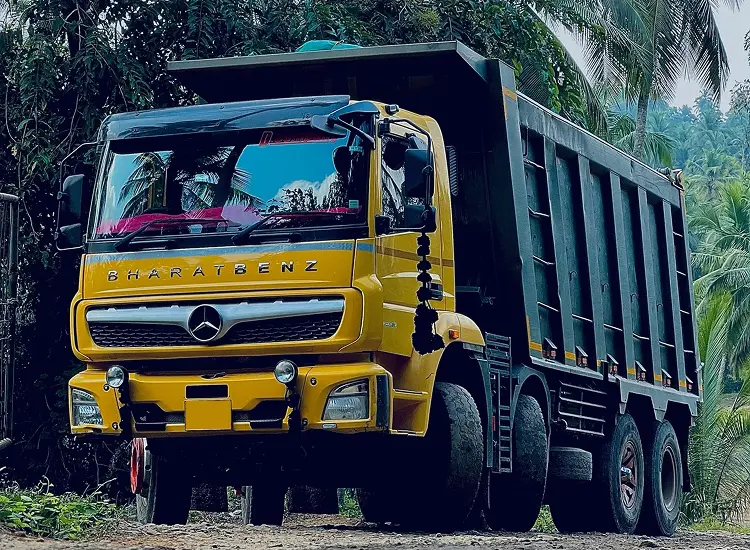
BharatBenz buses offer superior comfort to passengers, but they come with a 10-12% higher price. The Eicher 6000 series offers high mileage at low prices (6-9%). Tata Motors is known for its performance, and Ashok Leyland for Durability.
Like Trucks, Eicher offers better fuel efficiency, but it comes with a 4-cylinder engine, which can be noisy. The Eicher Body is built at the Volvo Plant, resulting in a much better quality of the Bus Body.
Due to the Bus body code AIS 153, the market share of the Fully Built Bus body increased to 78%, while only 22% of Buses Were sold as chassis. The AIS 153 is applicable to around 80% of the Bus Market in India because it offers advantages for passengers (FDAS, FDSS, CCTV, etc.), such as safety, for bus fleet operators, such as lower risk and higher asset safety, and for drivers. All buses are included under AIS 153, regardless of GVW and Bus length, because student safety is the first priority.
Contact us to get the full report at Info@autobei.com