The Data Most OEMs Never See
BharatBenz model- and variant-wise sales data is among the most confidential datasets in India’s commercial vehicle industry. It is also one of the most valuable. That’s because it shows more than how many trucks and buses a manufacturer sells. It shows which specific variants are winning. It also shows where the portfolio is stretched thin, and where the next opportunity sits.
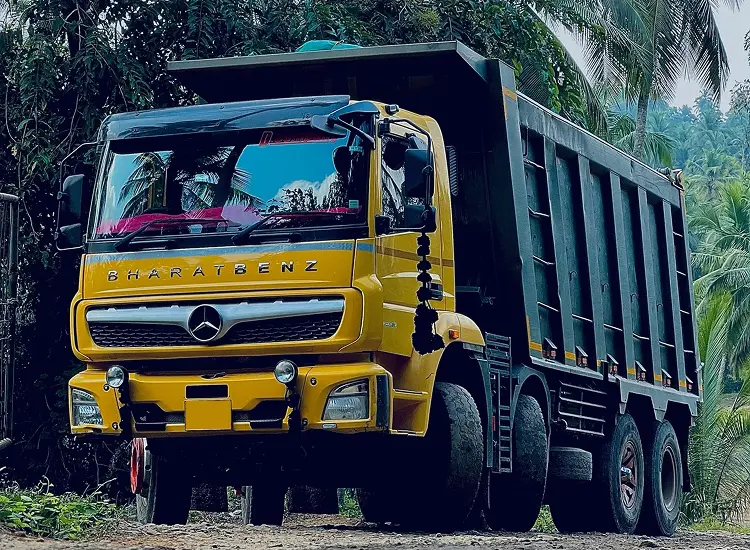
For context, BharatBenz has been on a clear upward trajectory. In fact, it became the second-largest player in the tipper segment in 2024. So the real question is: what’s actually driving that growth, model by model and variant by variant?

BharatBenz has been on a clear upward trajectory — becoming the second-largest player in the tipper segment in 2024. The question every competitor, supplier, and analyst wants answered is: what’s actually driving that growth, model by model and variant by variant?
What the CY 2025 Data Shows
According to RTO registration records, Daimler India Commercial Vehicle (DICV) registered 222 Truck and Bus variants in CY 2025. Dig into the raw numbers, though, and the picture needs a closer read — some of those 222 variants differ only marginally from one another, and a number are effective duplicates within the RTO records themselves.
Strip that noise away, and a sharper insight emerges: just 11 variants accounted for 55% of total sales in CY 2025. In a 222-variant portfolio, over half the volume is riding on a small, concentrated core.
Where That Core Volume Comes From
- Tipper, Tractor Trailer, and Bus are BharatBenz’s top 3 models by volume.
- Only one Rigid Haulage model makes it into the top 10 variants — a signal that this segment isn’t yet pulling its weight relative to the rest of the portfolio.
This spread — strong in tippers, tractor trailers, and buses, thinner in rigid haulage — tells a bigger story. BharatBenz’s volume isn’t coming from one dominant use case; it’s being pulled in by different applications and different customer types adding BharatBenz trucks and buses to their fleets for different reasons. That’s a sign of genuine market penetration across segments, not a single-product success story.
It also points to the next strategic priority: BharatBenz needs to strengthen its position in the MDT (Medium Duty Truck) segment, where the current portfolio isn’t yet translating into the same top-tier variant performance seen in tippers and buses.
From 27 Variants to 804% Growth: The Bigger Portfolio Story
Zoom out from CY 2025, and the variant story becomes even more striking. In 2015, BharatBenz had just 27 model variants on sale in India. By 2021, DICV had expanded that portfolio by 804%.
That’s not incremental line extension — it’s a deliberate, aggressive strategy to cover more applications, more customer segments, and more use cases across India’s commercial vehicle market. The 222-variant, 11-variant-driving-55%-of-sales picture in 2025 is the result of that expansion maturing — some bets paying off at scale, others still finding their footing.
Why Variant-Level Intelligence Changes the Game
Aggregate sales numbers tell you if an OEM is winning. Variant-level data tells you where, why, and what’s next. Knowing that 11 out of 222 variants drive 55% of sales reframes how you’d think about:
- Where BharatBenz’s real competitive strength lies today
- Which segments (like MDT) represent white space — for BharatBenz to close, or for competitors to exploit
- How a fleet buyer, supplier, or competitor should benchmark their own variant strategy against the market leader’s playbook
See the Full Variant Map
We’ve mapped every one of these variants — including price, applications, USP, customer type, features, suitability, and the broader product and market dynamics behind each one.
Want the full BharatBenz variant map for your segment or competitive benchmarking?