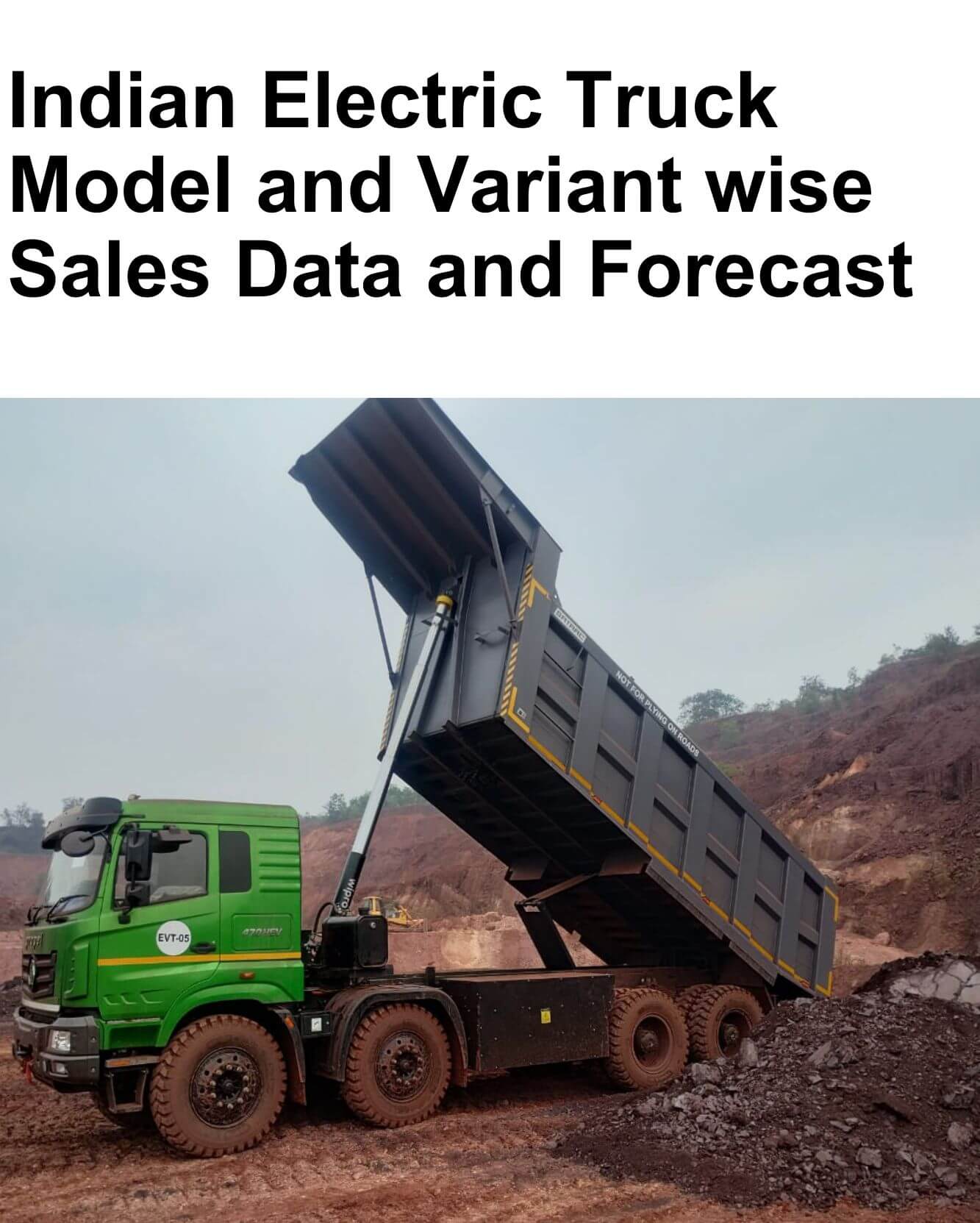
We decoded How to Start an Electric Trucking Business in India. Almost every logistics company’s leadership knows that electrification is the next big opportunity for their business. Now, it is not a question of technology maturity; it’s about timing. Around 90% of fleet owners have not yet decided to purchase an electric truck.
Some logistics companies are burning cash because they are backed by VCs and are trying to break even within 3 to 5 years. Some of these companies have 150kW fast-charging infrastructure. How to Start an Electric Trucking Business in India includes a sustainability reporting framework (ESG-ready) and Carbon accounting integration.
After having long discussions with 60+ Fleet owners across Metro, Tier 1, and Tier II cities, we identified the Technical, psychological, and commercial Barriers. Based on feedback from fleet owners and discussions, we have prepared a blueprint to transition from ICE trucks to electric trucks.
If a Delhi-based e-commerce logistics company operates a fleet of 1 to 20 trucks in the NCR region, covering an average of 200 km per day. Profit can increase by 9X compared to Diesel trucks. For the Heavy Duty Tipper and Tractor Trailer, the prift can be between 12 and 15X.
All segments of Electric trucks, such as Heavy-Duty, Medium-Duty, and Light-Duty, are suitable for a range of applications.
We work with Small, Medium, large, and Corporate Fleet companies because each faces different challenges.
Top Reasons Transport Companies Are Not Buying Electric Trucks:
“Everyone says electric Truck is expensive, it is around 3X compared to Diesel. Explain how long it will take to reach the breakeven point.”
Fleet owners are highly focused on the commercial viability of the Trucks. Claiming lower operating costs alone does not work. Granular-level maths work.
2. The TCO Calculation: My truck runs on an average of 200 to 300km daily. What happens if the route needs to be extended by another 100km, or if rerouting the trucks is required?
Diesel trucks offer a wide range of options. Electric Trucks require fixed points A and B for loading and unloading. This is not a technical limitation; it’s an operational problem that we help to solve. We don’t just calculate TCO; we design business models that improve your cash flow immediately.
3. Charging confusion: Charging is the most important point which key role in operating cost optimization. For the charger installation at the depot, what capacity is required, and who is responsible for payment? What is the actual electricity bill? Grid issue? What is the most efficient way to charge the Electric Truck?
4. Ideal time: My Diesel takes only 15- 20 min to take fuel and runs 15 to 18 hrs. Must the truck operate to recoup my investment or turn a profit? How will charging time be addressed when electric trucks are the ideal solution?
5. Financial numbers: How is it easy to finance the Electric Trucks? What is the resale value? If I compare a 40% down payment, is it a large amount?
6. EV Policy: How will the central or state government support us if we purchase electric trucks? What are my benefits?
How We Help You Build Your Electric Truck Business Model
We do not sell trucks, but we redesign your operating economics to improve your profitability by using electric trucks.
- Application and route-level TCO analysis
- Map profitable route
- Model and variant-specific TCO Model
- Duty cycle optimization
- Swap integration
Need to choose the most suitable routes and applications; a 10% route change can save 90% of fuel. This will not be an experiment but your first profitable transportation service.
Charging Infrastructure:
According to our survey, most fleet owners are concerned about high charging rates, such as in Bangalore, where it is 25 Rs per kWh. The per-trip rate is not feasible when considering a mix of slow and fast charging.
We help design the charging station as a profit center, not a cost center. We closely monitor all charging infrastructure parameters, vehicle specifications, and the grid. Then we recommend the setup. This includes tariff optimization, V2X and V2G capabilities, and other business models. Our AI and analytics solution ensures optimal energy utilization.
Energy Management and Control Operations:
We design, train, and operate an energy ecosystem. Multiple rules, regulations, limitations, policies, Electrical and battery system.
Branding Strategy:
We position you as a leading provider of Electric or Green Transporters. Featured as an EV state policy impact case study.
New Customer acquisition:
Corporate and large logistics companies, such as IKEA and Amazon, and key component suppliers, such as Bosch, are recognised as premium partners. These companies may be interested in acquiring your fleet because they promote NetZero transportation.
RECOMMENDED REPORTS
The US EV Market 2030
March, 2026
Indian Commercial Vehicle Tyre Market
March, 2026